


Tue, Mar 26, 2024
How to Contour For Beginners

What is Contouring?
Contouring is a makeup technique used to define and enhance the structure of the face by creating shadows. In recent years, we've seen more and more consumers contouring their own faces—whereas before contouring was typically done on the runway or for photoshoots by professional makeup artists only! It's fascinating to see the evolution of makeup play out through social media.
What Do You Need for Contouring?
In my years of experience, from the retail counter to celebrity makeup artist and founder of Elainabadro.com, I've learned that many people don’t realize the importance of having the right beauty tools. To embark on your contouring journey in 2024, there are a few essential items you'll need to gather.
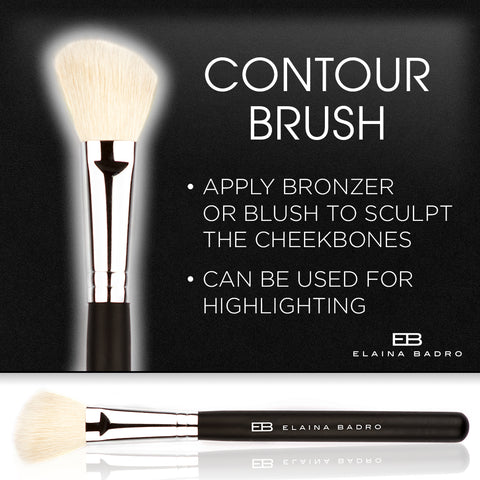
First and foremost, a high-quality contour makeup brush is key! Look for a kit that includes both matte and shimmer options to give you versatility in your effects.
Next, your tools play a pivotal role. Invest in a set of professional makeup brushes specifically designed for sculpting. This should include a fluffy brush for blending, a tapered brush for precision, and a small angled brush to sculpt areas like the sides of your nose or the hollows of your cheeks.
A highlighter is also crucial to achieve that radiant glow. Whether you prefer a powder, cream, or liquid formula, a highlighter will bring forward the areas you want to emphasize, such as the cheekbones and the bridge of your nose.
Lastly, don't forget about a quality blending sponge. This tool is essential for softening your contour, ensuring there are no harsh lines and everything looks seamless.
How to Contour - Step-by-Step Guide
-
Choose the Right Products:
Select a matte contour product a few shades darker than your natural skin tone. -
Prep Your Skin:
Start with a clean, moisturized face. Apply foundation and concealer as usual. -
Identify Areas to Contour:
Focus on the hollows of the cheeks, the jawline, the sides of the nose, and the perimeter of the forehead. -
Apply Contour:
Using a contour brush, start from the hairline near the top of the ear and blend downwards toward the corner of the mouth. -
Blend:
Thoroughly use a sponge or blending brush to ensure a natural-looking finish.
Bonus Tip: Set with Powder
Set your contour with a translucent powder to help it last longer and prevent smudging throughout the day.
Determine Your Face Shape
Understanding your face shape is the roadmap for where to place shadows. Each shape requires a tailored approach to accentuate its natural beauty.
Round Face Shape:
The goal is to elongate. Apply contour to the temples and the sides of your forehead and cheeks. Highlight the center of your forehead and your chin.
Square Face Shape:
Soften strong angles by applying contouring along the jawline and the edges of your face, blending toward your hairline.
Rectangle Face Shape:
Create the illusion of a shorter face by applying contour on the top of your forehead and below the jawline. Highlight the center of the face to add width.
Heart Face Shape:
A heart-shaped face features a wider forehead. Contour under your cheekbones and lightly around the sides of your forehead to balance the width. Highlight the center of the forehead and the chin.
Prep Your Skin
Prepping your skin is like preparing a canvas. The steps of cleansing, toning, and moisturizing ensure your skin is free from impurities and provide a smooth surface for application.
The application of a primer is the final, crucial step. Primers smooth out the skin's texture and create a "grippy" base that significantly extends the longevity of your contour.
Takeaways
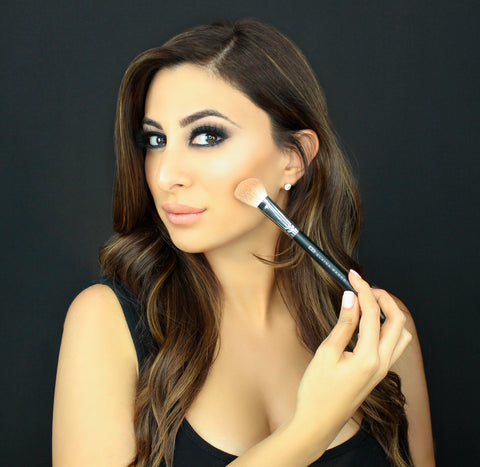
Mastering contouring begins with the right tools: a high-quality kit, professional makeup brushes, a radiant highlighter, and a blending sponge. Each face shape—round, square, rectangle, or heart—has a unique strategy to enhance its features.
Remember, practice makes perfect. At Elainabadro.com, we encourage you to experiment and find the techniques that make you feel the most confident.